Tamar Elharar
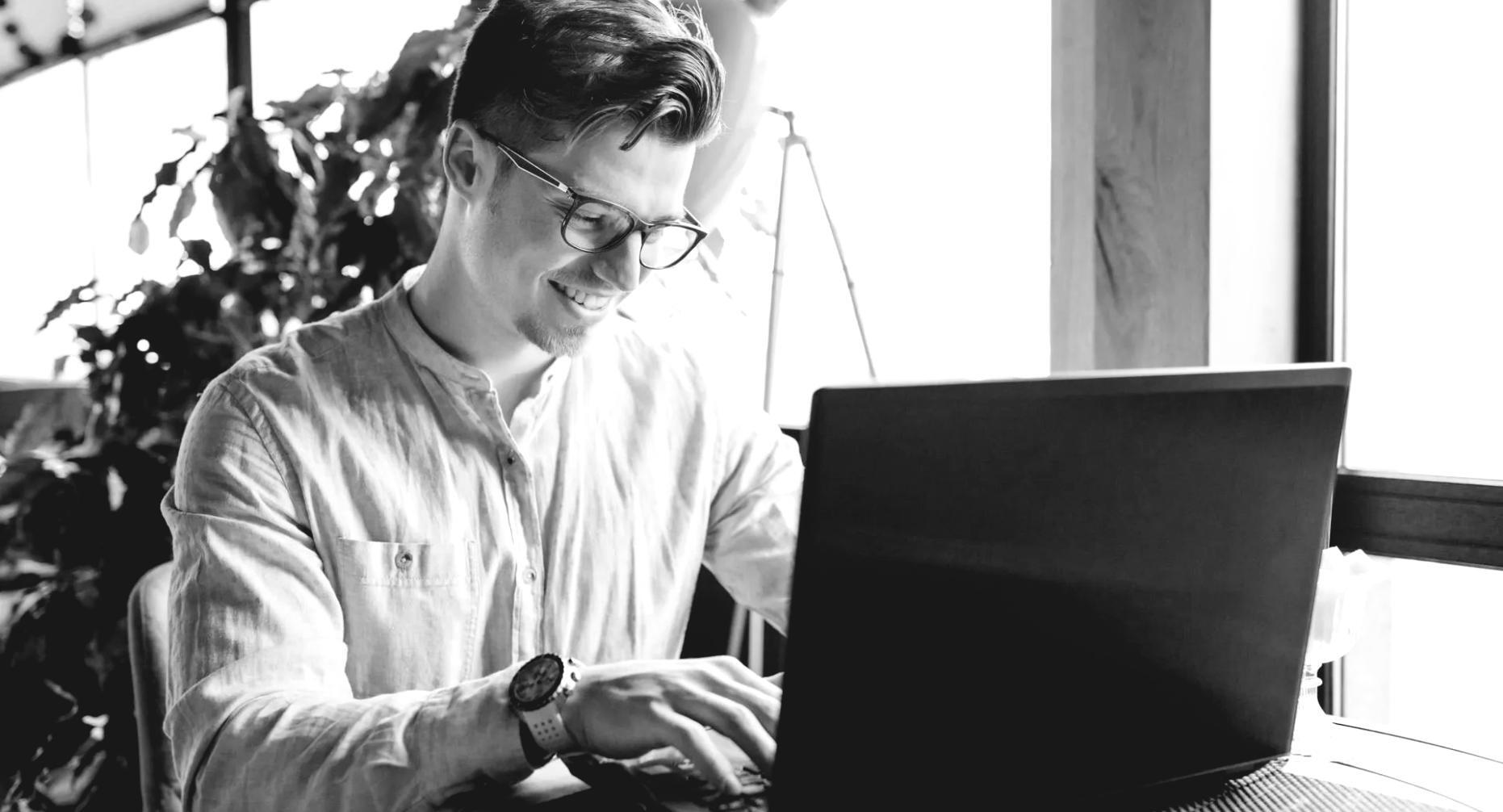
Tamar designs and runs the core workshop sequences. Her background spans behavioral economics and adult education — she's particularly interested in how group dynamics shift individual decision-making under pressure.
Arcturus Flux started in 2023 with a specific observation: most people who struggle with financial decisions aren't lacking information — they're lacking a structured space to examine how their emotions shape those decisions. That gap is what we work on.
We run practical, step-by-step workshops that treat emotional awareness as a learnable skill. Participants work through real scenarios, get direct feedback, and build habits that hold up outside the classroom. Our community is rooted in Kfar Saba but connects people across the region through a shared virtual environment.
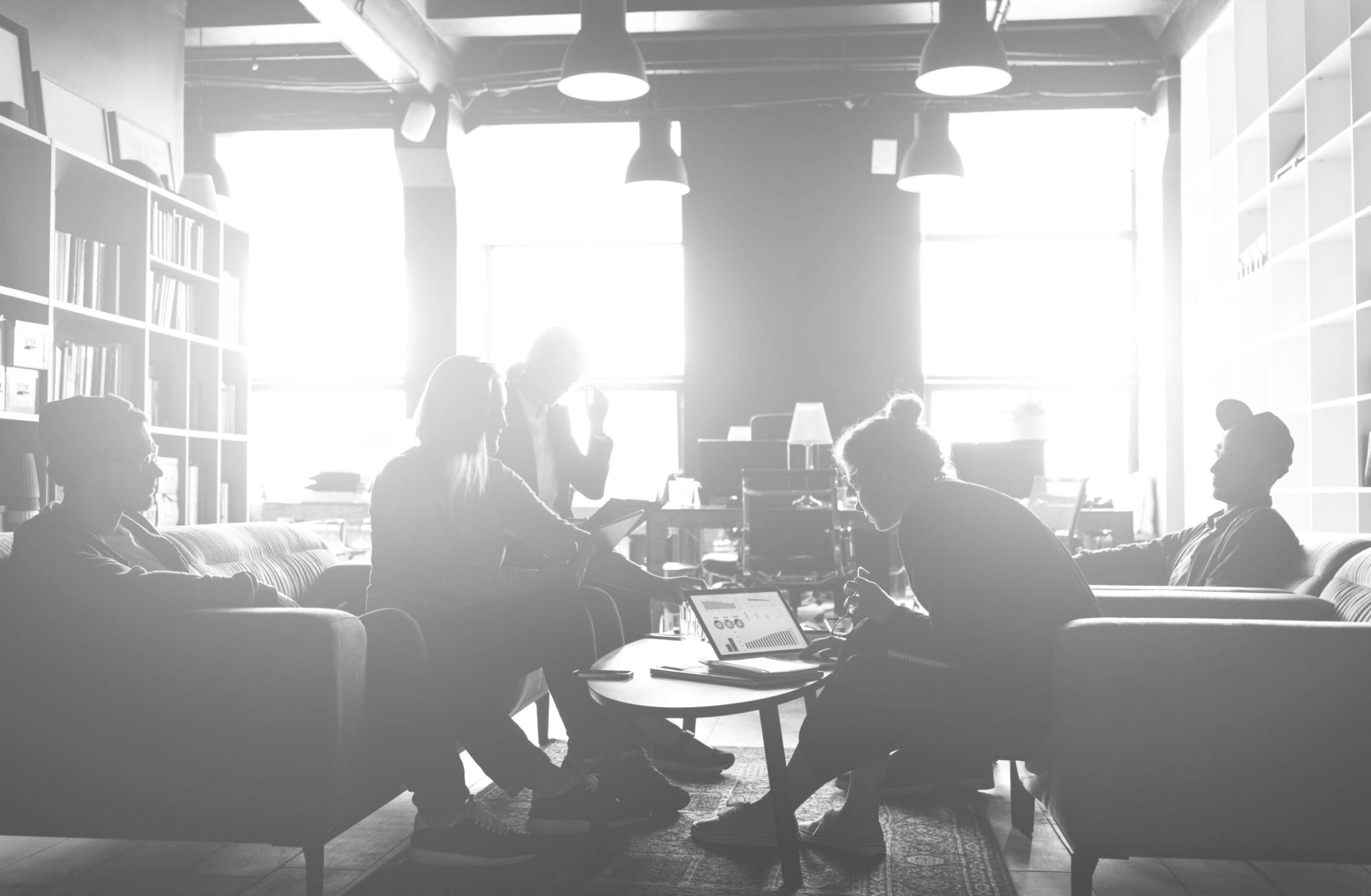
We're a small group of facilitators, researchers, and practitioners who came to emotional investing from different directions. Some came from behavioral finance, others from coaching or clinical psychology. What holds the group together is a shared discomfort with vague advice and a preference for working through concrete situations rather than abstract frameworks.
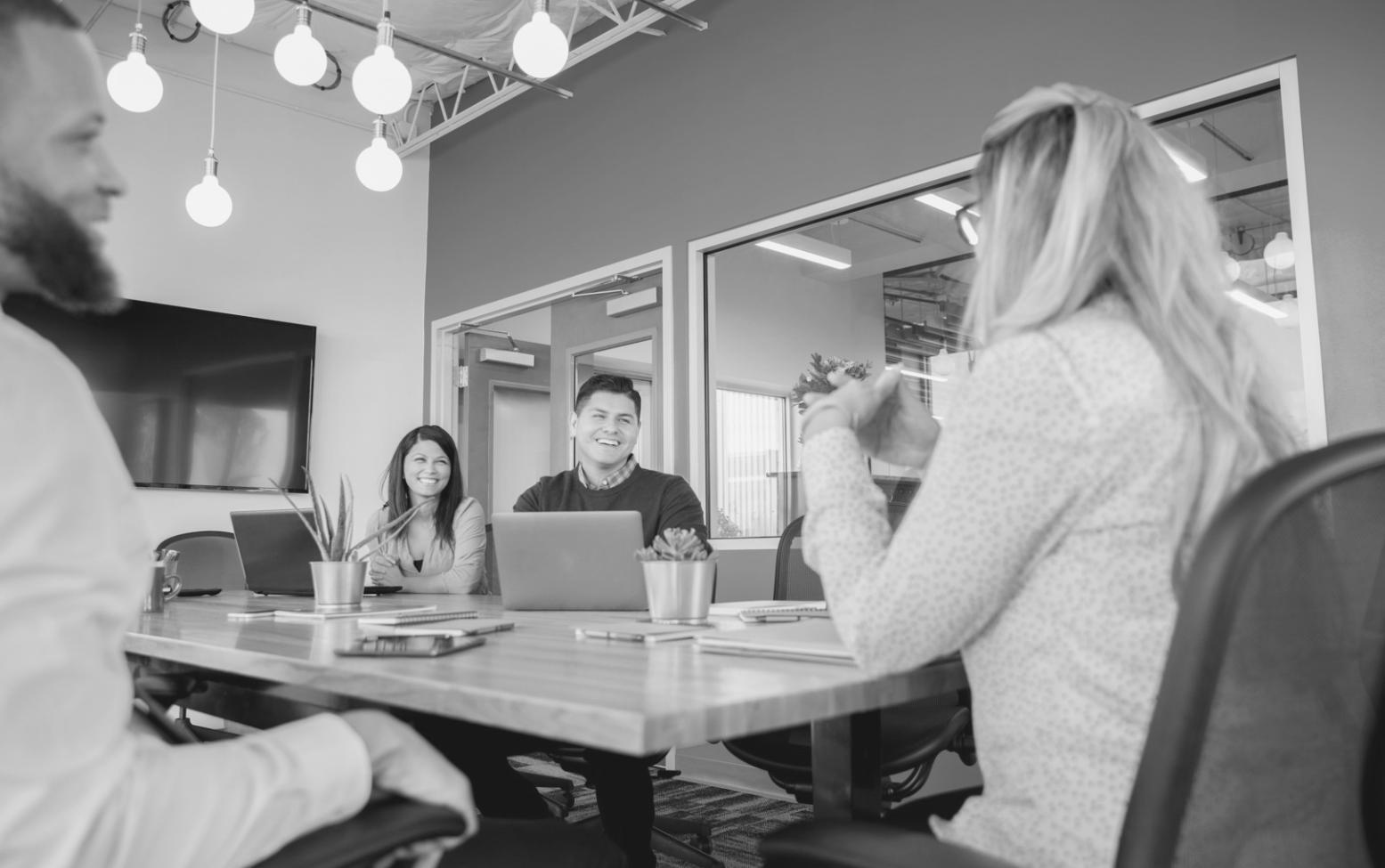
Each workshop is designed collaboratively — one person rarely owns a module end to end. That means participants get perspectives that have been stress-tested internally before they're presented. It also means our materials evolve as we learn what actually lands in practice versus what sounds good in theory.
Tamar designs and runs the core workshop sequences. Her background spans behavioral economics and adult education — she's particularly interested in how group dynamics shift individual decision-making under pressure.
Niv handles the research side — reviewing what holds up empirically and translating it into exercises that work in a workshop setting. He's skeptical of anything that can't be tested and tends to cut material that doesn't earn its place.
Yael manages how participants move through the program — onboarding, peer group formation, follow-up sessions. She came from community organizing and brings that lens to how the learning environment is structured between live sessions.
Every exercise we run has gone through internal review. If we can't point to a reason something works, we don't include it.
Most of the real work happens between participants. Facilitation creates conditions — it doesn't substitute for the group doing the thinking together.
We work with concrete scenarios, not principles in the abstract. A participant should leave each session with something they can actually apply to a decision they're facing.
We're honest that emotional patterns built over years don't change in a single workshop. Progress is real but incremental — we design for that, not for quick wins.